
 English
Cable Cars & Ropeways: Historical Evolution and Diverse Applications
Ropeway cable cars originated in early 1800s for mine-cargo transport. Steel ropes carried goods across rough mountains with intermediate support towers. In early 1900s, electric motors greatly improved efficiency and expanded application scenarios.
1. Key Technical-innovation Phases
1. 1950-1970s: New-material steel ropes achieved higher load capacity and durability. Ropeways were widely adopted in urban transport and mountain tourism.
2. After 21st century: Intelligent control systems realize real-time condition monitoring. Operation efficiency and riding comfort keep improving.
2. Multiple Classification Standards
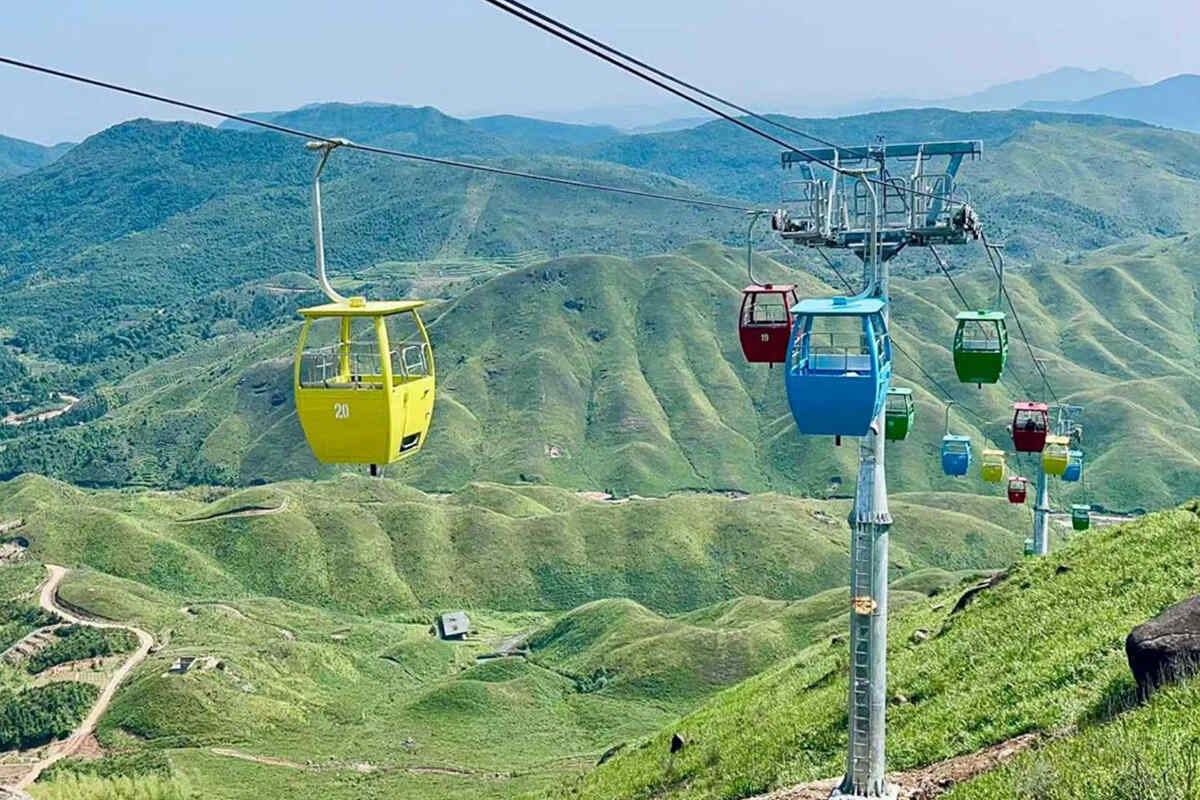
- Operation mode: circulating (one-way / two-way); non-circulating (reciprocating, single-trip) - Power source: electric, steam, internal-combustion engine - Grip type: fixed-grip, movable detachable-grip
3. Application Scenarios
Scenic-spot sightseeing, mine-site cargo delivery, construction-site personnel-material transportation.
4. Present Situation & Future Outlook
China’s ropeway industry focuses mainly on tourism with diversified business. Future directions include intelligent upgrading, low-carbon green design, modular equipment and improved visitor experience. Market scale will keep expanding alongside mountain-tourism development.