
 English
Complete Introduction to Ski-Lift Safety-Protection Measures
Ski lifts are special-equipment facilities. Their safety system combines hardware standards, weather monitoring, passenger-behavior management and emergency rescue.
1. Hardware & Equipment Compliance
Ski lifts must follow national mandatory standards. Third-party inspections are required before opening. Inspection certificates are displayed at stations. Real-time monitoring tracks motor temperature, rope tension and triggers alarms for abnormal status.
2. Meteorological Monitoring & Shutdown Rules
Lifts stop in bad weather: gusts ≥ Beaufort 6, >5 cm hourly snowfall, thunderstorms. Resorts publish operation updates via social-media channels.
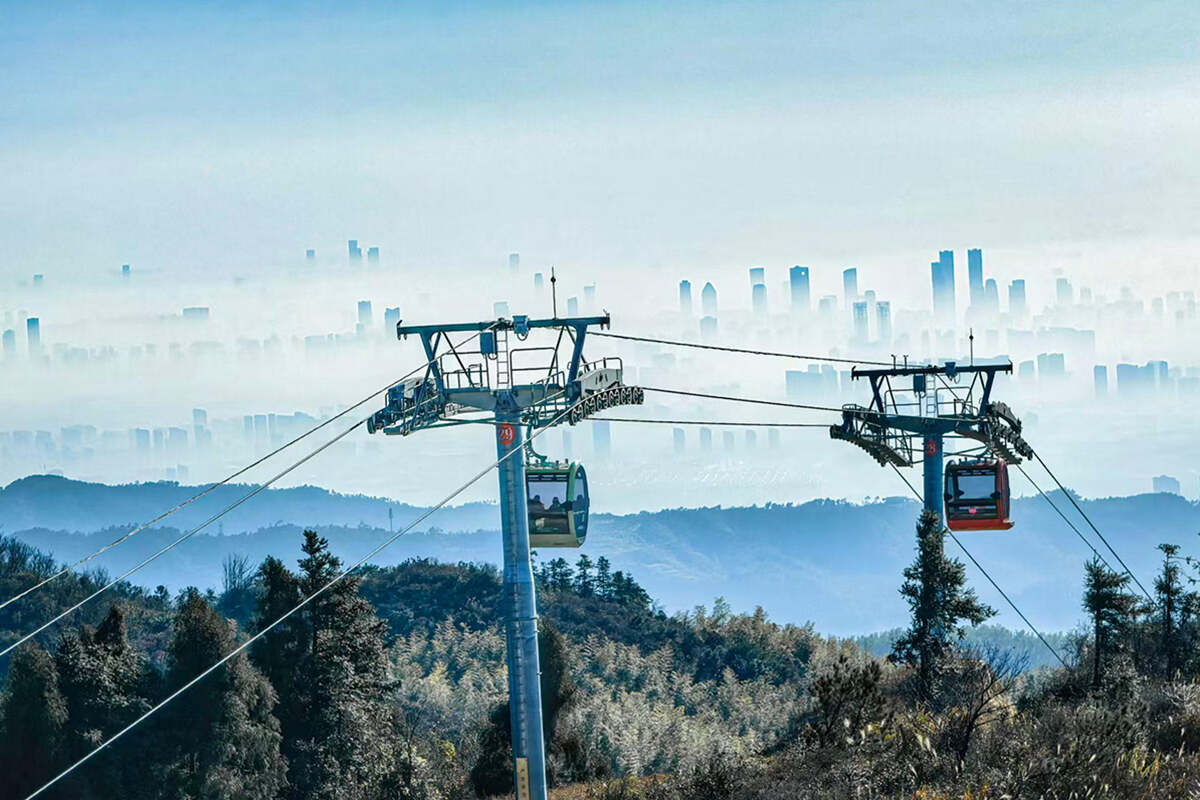
3. Passenger-Behavior Requirements
- Queue in designated zones and follow staff directions. No pushing or rushing. - Chairlift: keep safety bar closed. Do not stand, rock or lift bars during movement. - Tow-lift: keep skis parallel. If you fall, release the tow handle and clear the lift route. - Guardians must supervise children and stop in-lift horseplay.
4. Emergency Response to Failures
Stay calm if the lift stops. Use emergency call devices; never climb or jump off lifts. Rescuers prioritize evacuation for seniors, pregnant women and disabled visitors. On-site first-aid posts connect with local hospitals for fast medical transfer.
5. Safety Promotion & Staff Training
Safety notices and broadcast reminders are available at resorts. Staff take regular emergency drills. Skiers can study official lift-riding tutorials.
Summary: Ski lifts adopt a three-in-one safety system: technical protection, on-site management and emergency rescue. Always check resort official notices before skiing.