
 English
Passenger Ropeway Planning and Key Factors for Better Tourism Experience
Passenger ropeways serve as vital transport for mountain-type scenic areas. Conventional roads are hard to build on complex terrain. As aerial transport, ropeways cause little landscape damage and belong to eco-friendly traffic solutions.
1. Classification & Characteristics of Ropeways
1. Fixed-grip ropeway: Simple layout, one rope for both load-bearing and hauling. Limited operating speed for safe boarding, requires guiding devices. Widely adopted.
2. Pulsating ropeway: Few components, easy maintenance. Carriers distribute unevenly and need frequent speed adjustment. Drawbacks: carriers cannot be retrieved after shutdown, easy wear, capacity limited by route length.
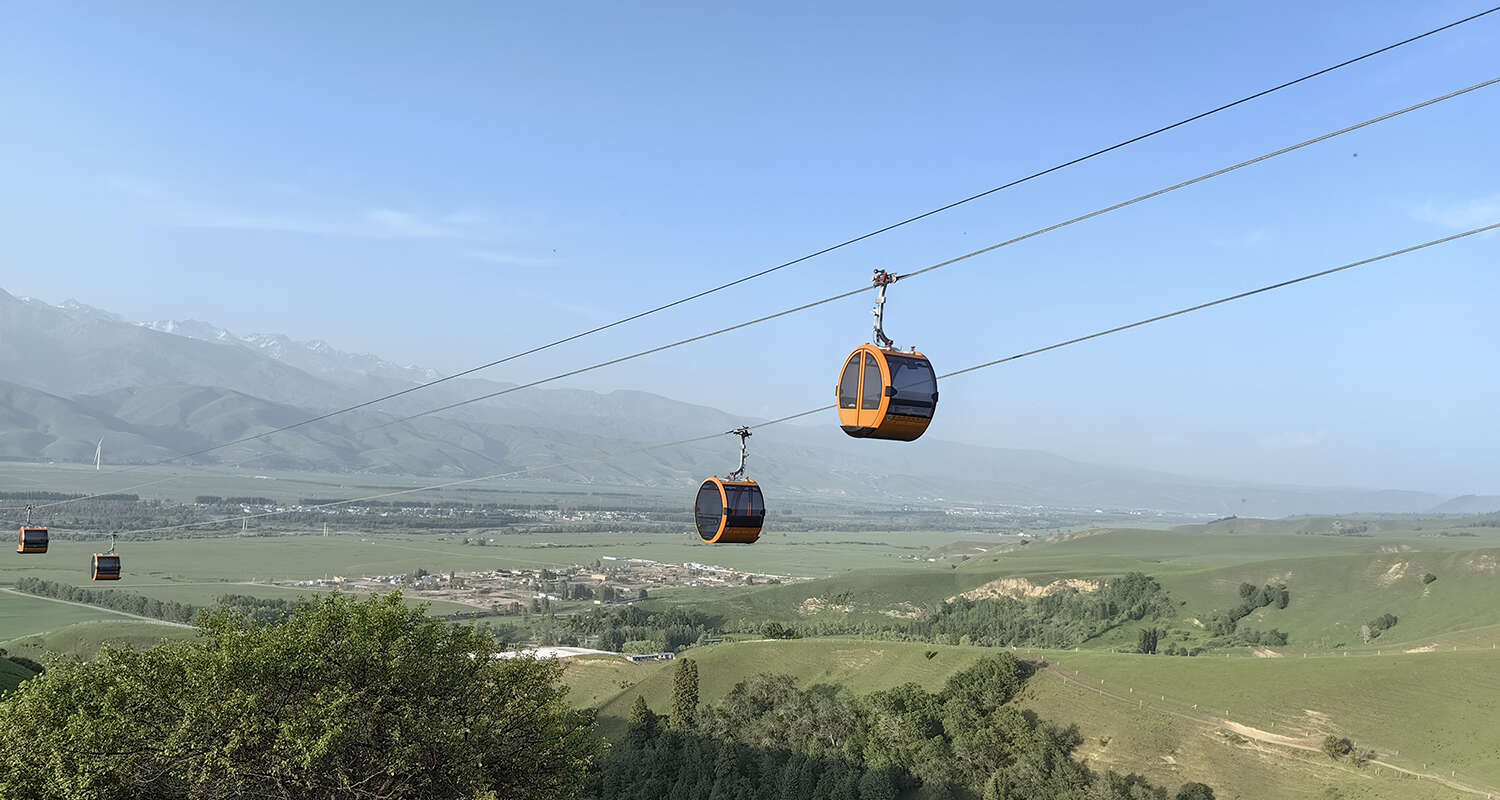
3. Detachable-grip ropeway: Continuous stable operation, great sightseeing view. High construction cost and complicated daily maintenance.
4. Reciprocating ropeway: Excellent sightseeing performance, high speed and large capacity. Fit for steep short-span mountains. Complicated maintenance and limited maximum length.
2. Core Planning Principles
Route & Station Site Selection
Landscape impact is the top concern. Follow the principle “protect scenery, serve tourism”. Keep routes and stations visually low-profile to blend with nature.
Ropeway Type Selection
Choose models according to local terrain and budget. For economically-constrained regions in China, simple-structured, easy-to-maintain ropeways are preferred.
Conclusion
Scientific ropeway planning solves mountain-access problems while protecting ecology, so as to maximize tourist satisfaction.